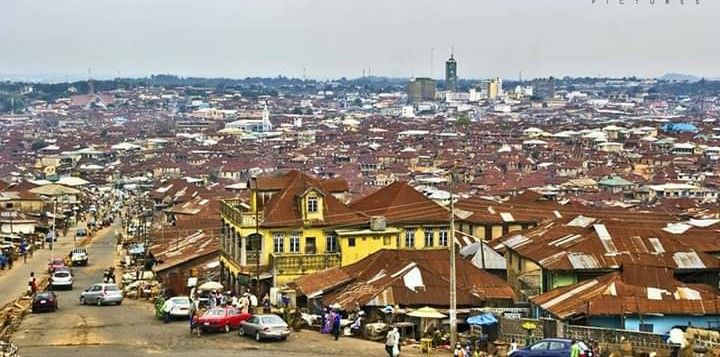
Twenty-seven years after, Moria arrives Ibadan to revisit the event that changed her life permanently. As unfortunate as the event was, it gave her the remarkable life she now has
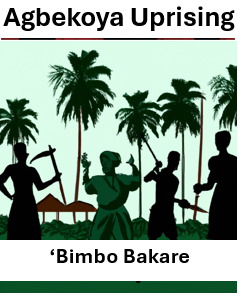
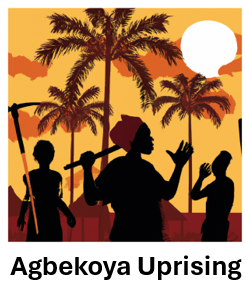
Moriamo, a spirited young girl living in Ibadan during the late 1960s, begins her day as usual — awakened by her mother to help with their thriving food business before school. However, her routine is violently disrupted by the Agbekoya uprising. As chaos erupts, Moriamo flees in terror, injuring herself in the process.
Caught in the crossfire of history, she experiences firsthand the fear and confusion of civil unrest, her life forever changed by a moment she never saw coming
I would get woken up and, looking at the staircase, would see my father with his left hand resting on the rail, his right hand holding his chin with his eyes looking at me from the distance. His look was intense as if saying “come child”. A few times I had woken up those sleeping next to me, pointing at the staircase and shouting “Daddy is here”, but like those with Paul on the road to Damascus, they saw nothing and cautioned me to stop disrupting their sleep.
I narrowly escaped being killed, in the hands of the same uniformed men that had killed Dele Udoh 4 years earlier. With death, there usually is no premonition and I had none on this fateful day. I was walking on the pedestrian walkway by the side of the big car park opposite the CBN but adjacent to Cocoa House.
I arrive Apata Ganga out of rebellion, a rebellion against a career path that would have seen me become a teacher. My father was a teacher and so is my mum. My half-brother is a teacher and my Uncle as well. I am totally convinced that the Bakare’s have paid their dues to teaching and I feel a need to fashion a different path, one that I have no clue on where to start. Accountancy it is going to be but how do I become one?